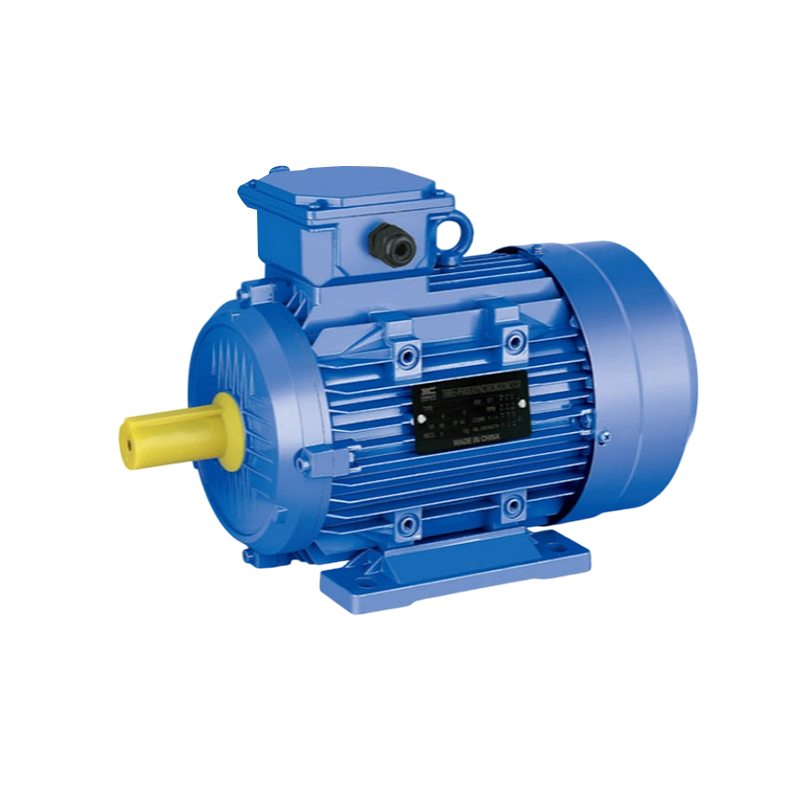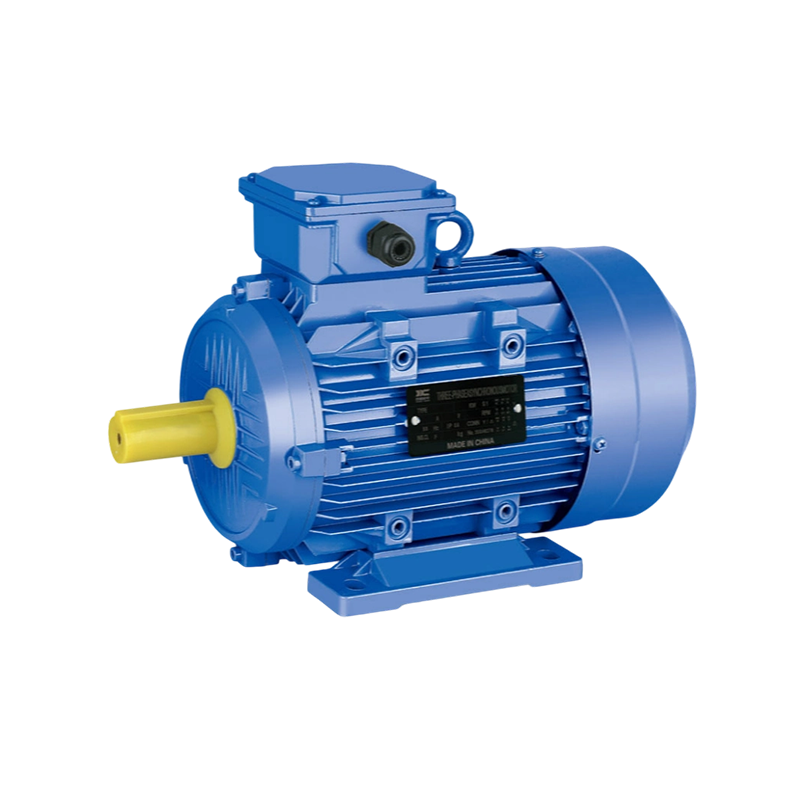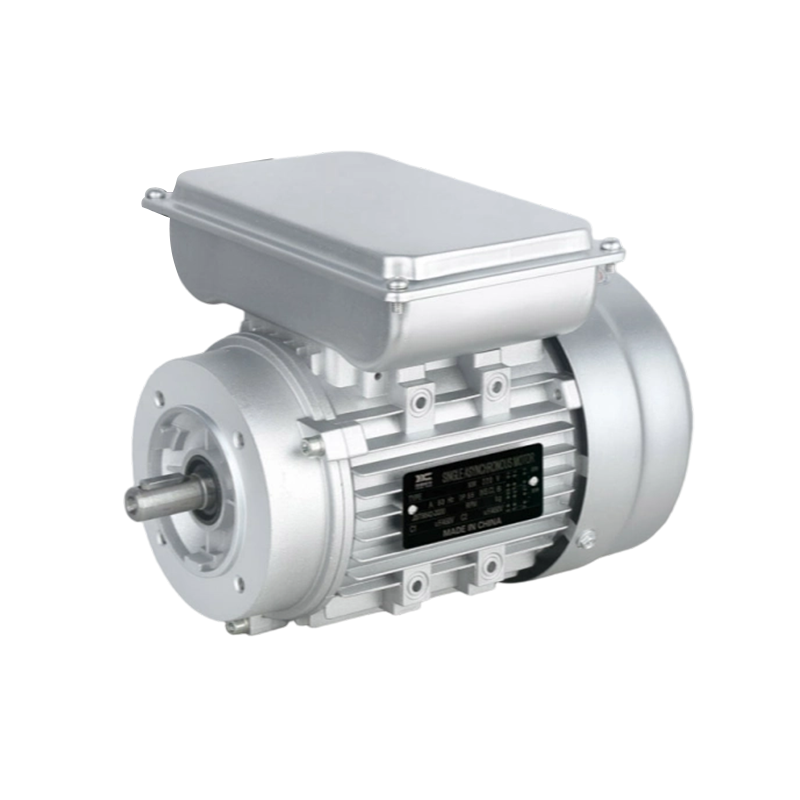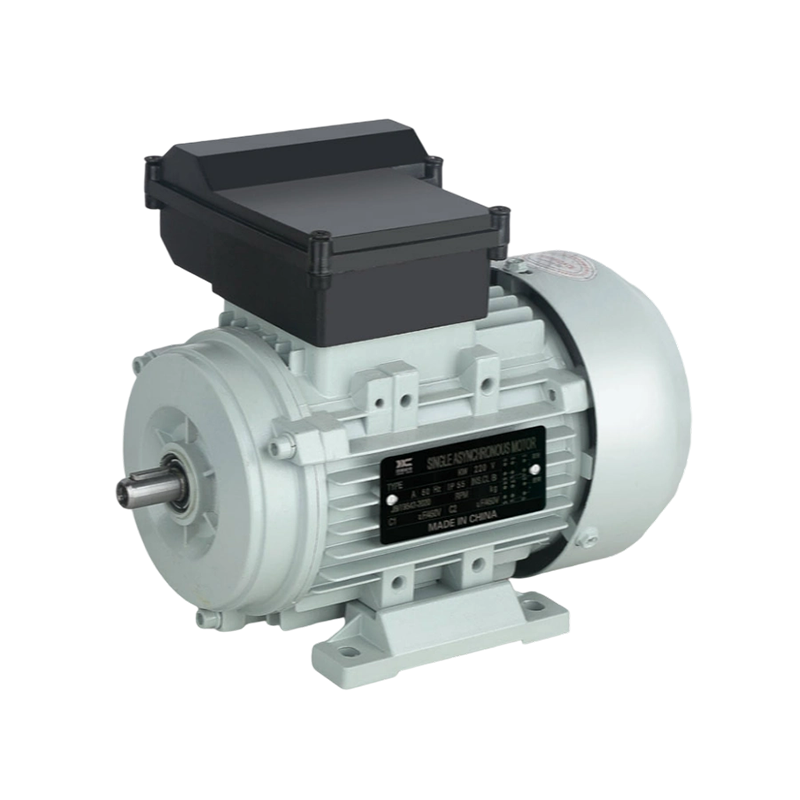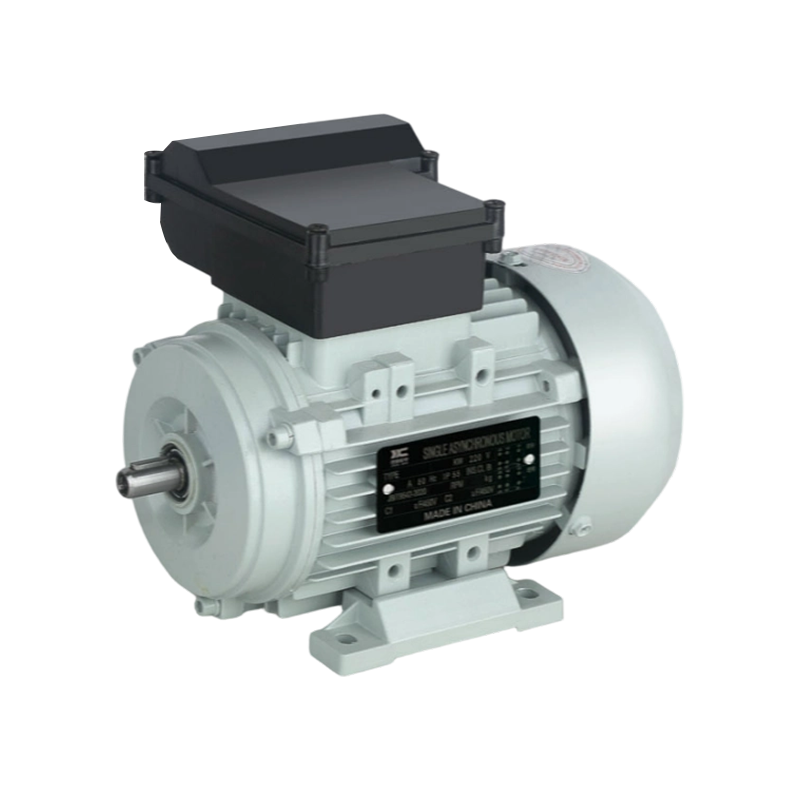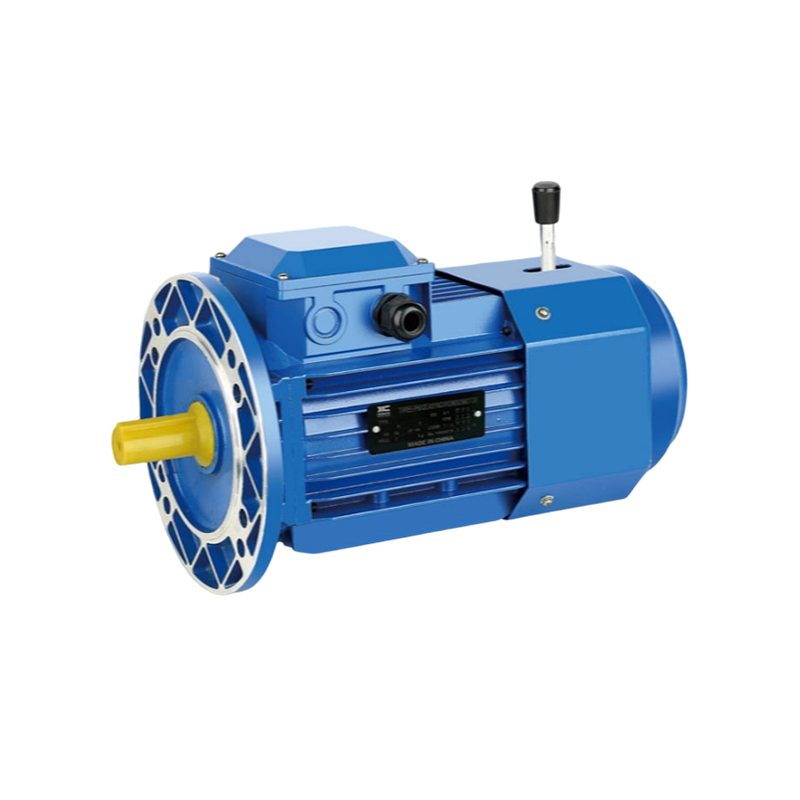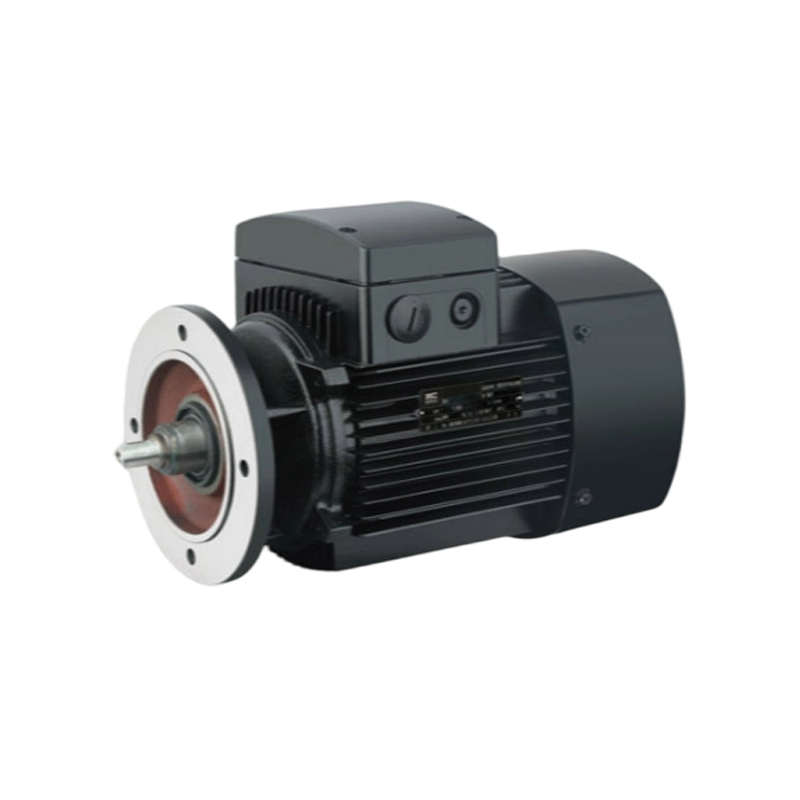

Los electrodomésticos inteligentes ya no son simples máquinas de encender y apagar. Los sistemas de lavado, las bombas inteligentes, las unidades HVAC y los dispositivos de cocina adaptables ahora enfrentan perfiles de carga en constante cambio. La velocidad, la demanda de par y el consumo de energía fluctúan en ciclos cortos. En este contexto, la relevancia de la motor asíncrono monofásico se convierte en una cuestión práctica de ingeniería en lugar de una suposición heredada.
Las estructuras de inducción monofásicas han dominado históricamente las aplicaciones domésticas debido a requisitos de infraestructura simples y rentabilidad. Sin embargo, las discusiones modernas se centran más en si pueden mantener la estabilidad en entornos de carga variable controlados digitalmente sin perder la integridad del rendimiento.
La investigación sobre sistemas monofásicos basados en inducción muestra que la velocidad naturalmente disminuye ligeramente a medida que aumenta la carga, un comportamiento asíncrono típico más que un defecto. Esta característica se alinea bien con los perfiles de ventiladores y bombas, pero se vuelve más notoria en electrodomésticos inteligentes accionados con precisión que requieren una regulación estricta de las RPM.
Los dispositivos inteligentes integran cada vez más microcontroladores y circuitos de retroalimentación de sensores. Sin embargo, el control directo de una motor asíncrono monofásico está estructuralmente limitado en comparación con los sistemas multifásicos.
A diferencia de los sistemas trifásicos que responden suavemente a los variadores de frecuencia, las máquinas de inducción monofásicas dependen de estructuras de devanado auxiliares que no están optimizadas para una modulación dinámica continua. Esto no elimina su usabilidad, pero define una ventana operativa más estrecha.
La eficiencia energética de los electrodomésticos inteligentes depende en gran medida del comportamiento de carga parcial y no únicamente de la clasificación nominal. Los diseños asíncronos monofásicos tienden a mostrar una eficiencia reducida en rangos de carga bajos debido a la demanda de potencia reactiva en el circuito del estator.
A pesar de estas limitaciones, los dispositivos domésticos compactos suelen funcionar de forma intermitente o dentro de ciclos predecibles, lo que ayuda a compensar los inconvenientes de eficiencia. El principio asincrónico sigue siendo aceptable cuando la variación de la carga sigue un patrón repetitivo en lugar de una fluctuación aleatoria.
La integración de motores en dispositivos conectados no tiene que ver sólo con la producción de par, sino también con la compatibilidad de la retroalimentación y la previsibilidad mecánica. Las estructuras de inducción monofásicas introducen inercia mecánica que puede simplificar algunas tareas de control pero complicar el ajuste de precisión.
Los electrodomésticos inteligentes que priorizan la confiabilidad sobre el control ultrapreciso, como unidades de circulación de agua o módulos de ventilación, continúan encontrando valor práctico en esta categoría de motores.
La gestión térmica se vuelve crítica bajo condiciones de carga variables porque el aumento de temperatura influye directamente en la resistencia del devanado y el envejecimiento del aislamiento. Los sistemas asíncronos monofásicos a menudo dependen de refrigeración natural y conjuntos de ventiladores compactos conectados al eje del rotor.
Los motores típicos para electrodomésticos pequeños funcionan en el rango de 10 W a 750 W, con compatibilidad de suministro de 110 V o 230 V. Los índices de eficiencia varían ampliamente según el diseño del polo y la configuración del capacitor, pero la alineación de clase IE se está volviendo más común incluso en líneas de productos monofásicos.
A pesar de las limitaciones, la tecnología de inducción monofásica continúa cumpliendo funciones específicas de electrodomésticos inteligentes donde la simplicidad supera los requisitos de precisión. Los dispositivos que dependen de un comportamiento mecánico predecible en lugar de un control de alta resolución aún se benefician de su robustez y estructura de costos.
Aplicaciones como ventiladores inteligentes, bombas de circulación de agua doméstica y sistemas básicos de limpieza automatizados aún demuestran una alineación funcional con los principios de operación asincrónica. La tolerancia de carga variable se logra más a través del diseño del sistema que de la complejidad del motor.
La dirección general de la ingeniería muestra coexistencia en lugar de reemplazo. Los aparatos avanzados pueden integrar motores controlados electrónicamente para zonas de precisión, manteniendo al mismo tiempo unidades monofásicas asíncronas para subsistemas auxiliares o de servicio continuo.
Por lo tanto, la cuestión de la viabilidad se aleja de la “necesidad de reemplazo” hacia la “definición de límites de aplicación”, donde cada tipo de motor ocupa una capa funcional específica dentro de los sistemas inteligentes.
Su dirección de correo electrónico no será publicada. Los campos obligatorios están marcados*

Nuestro objetivo es proporcionar al mercado y a los clientes
Productos de alta calidad y soluciones personalizadas.
 Zona industrial de Zhaoyang, ciudad de Daxi, pueblo de Wenling, ciudad de Taizhou, provincia de Zhejiang, China
 +86-13615760288
  +86-576-86398088


 English
 中文简体
中文简体 русский
 Español